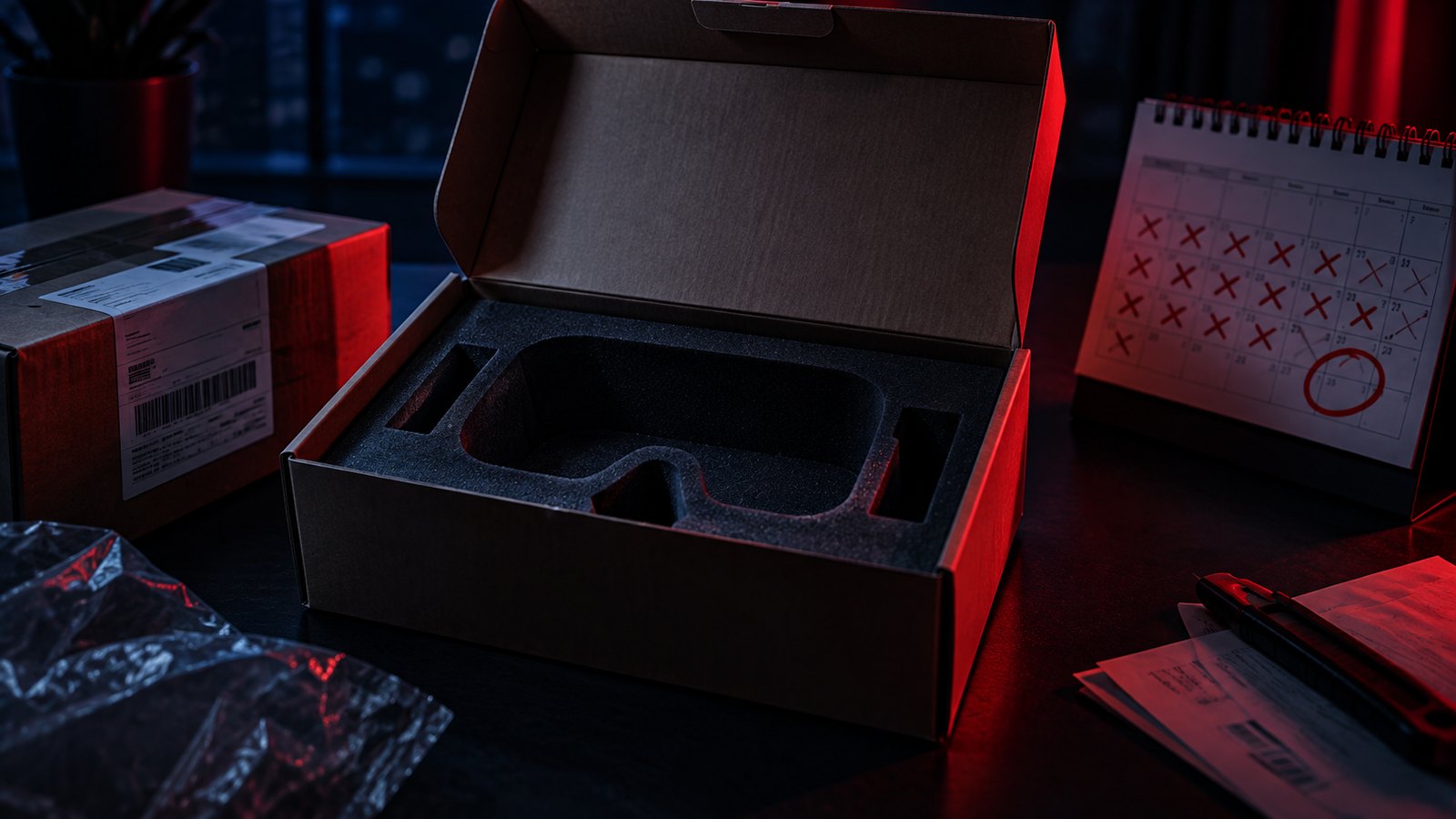

“Get in before the IPO.” It is one of the most effective lines in startup fundraising. Put a stock-exchange logo on the page, add a ticker symbol in bold, and ordinary investors feel they are getting what venture capitalists get: early access to the next big listing.
Most of the time, what they are actually buying is shares in a private company, sold through an exemption from full SEC registration, with no market to sell them in and no guarantee there ever will be.
What Regulation A actually is
Regulation A, often called a “mini-IPO,” lets a company sell shares to the public without doing a full registered IPO. There are two tiers. Tier 1 allows up to $20 million in 12 months. Tier 2 allows up to $75 million and comes with ongoing reporting: an annual report (Form 1-K), a semiannual report (Form 1-SA) and reports of important events (Form 1-U).
Smaller raises often use Regulation Crowdfunding, capped at $5 million in 12 months and run through registered funding portals.
These are legal, legitimate ways to raise money. But “qualified” by the SEC does not mean “approved” or “vetted.” The SEC does not judge whether an offering is a good investment.
The ticker problem
Companies can reserve a ticker symbol before they have any right to trade on an exchange. Listing requires meeting the exchange's standards for things like shareholder equity, share price and public float. Many companies that raise money under Regulation A never list at all.
Until they do, your shares are usually illiquid. There may be no buyer at any price. If the company raises again at a lower valuation, or fails, the “pre-IPO” price you paid is irrelevant.
How much can you put in?
In a Tier 2 offering whose shares will not be listed on a national exchange, a non-accredited investor is generally limited to 10% of the greater of their annual income or net worth (excluding their home). The limit is not advice. It is the regulator's reminder that these investments can go to zero.
Five minutes on EDGAR before you invest
- Search the company on SEC EDGAR and open the latest offering circular (Form 1-A or 253G2) and annual report (Form 1-K).
- Find annual revenue in the audited statements. Compare it with “revenue to date” or projections on the investor page.
- Search for “going concern.” Read the whole note. Here is how.
- Search for “selling stockholders.” If insiders are selling their shares in the same offering, that money does not go to the company.
- Check past public-market attempts. A cancelled SPAC deal or an earlier “IPO soon” claim is part of the track record.
Case in point
Immersed Inc. has marketed a reserved $IMRS ticker and a pre-IPO story. Its earlier plan to go public through a SPAC merger with Maquia was terminated in May 2024. Read our investigation.
* The limit does not apply to accredited investors or to Tier 2 securities that will be listed on a national securities exchange on qualification. Check the offering circular for the exact terms.